A car can develop an expensive problem because of something as small as a worn seal, loose connector, or damaged rubber hose.
These components rarely receive the same attention as engines, brakes, or transmissions, yet they help larger systems work correctly.
During routine vehicle maintenance, checking smaller parts can reveal early signs of wear before they affect other components. Understanding what to inspect, when to replace something, and which symptoms matter can make everyday car ownership easier and help prevent unnecessary repairs.
Small Components That Often Get Overlooked
Not every important automotive part is large or expensive. Many smaller components support essential functions, including fluid circulation, electrical connections, and vibration control. Their condition can affect how reliably the vehicle operates.
Rubber Seals and Gaskets
Seals and gaskets help prevent fluids from escaping between connected surfaces. Over time, heat, pressure, and age can affect their condition.
Look for:
- Oil collecting around engine joints
- Coolant residue near hose connections
- Fresh fluid spots beneath the vehicle
- Unusual fluid loss between maintenance visits
A minor leak should be investigated rather than automatically treated as a failed gasket. The fluid may be coming from a nearby hose, fitting, or another connection.
Hoses, Clamps, and Connectors
Rubber hoses carry coolant, air, and other fluids through different vehicle systems. Clamps secure connections, while electrical connectors allow sensors and control units to communicate.
Read More: 5 Reasons Every New Car Needs Ceramic Coating in Mississauga
Cracks, swelling, corrosion, and loose fittings may indicate developing problems. Inspect visible components during scheduled servicing, but avoid opening a hot cooling system or touching moving engine parts.
Why Small Parts Can Create Larger Repair Problems
Small components often connect or protect more expensive mechanical systems. When one fails, the resulting symptoms may appear somewhere completely different. Recognizing this relationship helps drivers avoid overlooking minor defects.
A Small Coolant Leak Can Affect Engine Temperature
Consider a cooling hose with a minor leak. Initially, the driver may notice only a small drop in coolant level.
If the leak continues, the cooling system may lose enough fluid to cause overheating. That creates a risk of serious engine damage.
Checking hose condition, clamps, and coolant levels during maintenance can help identify problems earlier. If the temperature warning light appears, drivers should stop safely and allow the engine to cool before arranging an inspection.
Replacement Quality and Compatibility Matter
Replacing a damaged component involves more than finding something that looks similar.
Vehicle owners should confirm:
- Exact vehicle model and production year
- Engine type and relevant part specifications
- Original equipment or compatible replacement numbers
- Material suitability for the intended application
Automotive parts resources such as https://klifex.com can be considered during replacement research, but compatibility should always be verified against the vehicle’s specifications before ordering.
A component with the wrong dimensions or connection type may not function correctly, even if it appears nearly identical.
How to Include Small Components in Routine Maintenance
A basic inspection does not require dismantling the vehicle. It involves checking accessible parts, recognizing unusual changes, and knowing when professional attention is necessary. A consistent routine also makes it easier to notice changes between servicing appointments.
Build a Simple Inspection Routine
During regular maintenance, include these checks:
- Inspect visible belts for cracks, fraying, or glazing.
- Check battery terminals for corrosion and loose connections.
- Examine accessible hoses for leaks, swelling, or damage.
- Test exterior lights and windshield wipers.
- Look beneath the parked vehicle for fresh fluid leaks.
- Check whether unusual vibrations or noises have developed.
Follow the manufacturer’s maintenance schedule for inspection intervals. Components exposed to extreme temperatures or demanding driving conditions may require additional attention.
Read More: Why C15 Turbo Compatibility Matters More Than a Quick Price Comparison
Keeping a basic maintenance record can also help. Recording when parts were inspected or replaced makes it easier to track recurring problems and discuss them with a mechanic.
Know When a Repair Kit Makes Sense
Some automotive assemblies contain smaller replaceable components. Depending on the manufacturer’s repair procedures, fixing an individual part may be possible without replacing the entire assembly.
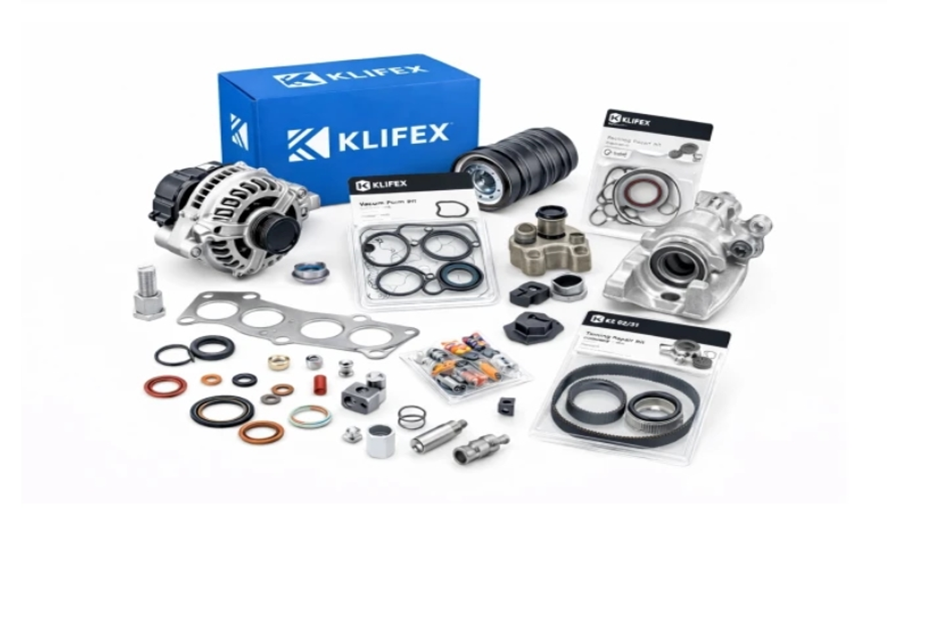
For example, Klifex provides automotive repair kits and replacement-part options for selected vehicle applications. However, whether a repair kit is appropriate depends on the actual fault, component condition, and approved repair method.
Safety-critical repairs involving steering, braking, or suspension systems should be handled by qualified technicians.
Common Mistakes That Make Small Problems Worse
Drivers sometimes replace components based on symptoms alone. Unfortunately, different mechanical problems can produce similar warning signs.
Replacing a sensor without checking its wiring, for example, may leave the original fault unresolved.
Other mistakes include ignoring small leaks, choosing parts based only on appearance, and postponing inspections because the vehicle still drives normally.
A better approach is to identify the cause, confirm the correct repair, and check the affected system afterward. When the problem remains unclear, professional diagnosis is usually more useful than repeatedly replacing parts.
Conclusion
Small vehicle components deserve more attention during routine maintenance because they support larger systems and can reveal problems before serious damage occurs.
Checking seals, hoses, belts, connectors, and other easily overlooked parts helps drivers understand their vehicle’s condition. Combined with accurate diagnosis, compatible replacement components, and regular inspections, these simple habits can reduce avoidable repair costs and support safer, more reliable car ownership.